AI in digital marketing: what actually works right now
Where AI genuinely saves marketers time on real client work, and where it quietly makes things worse.
Read article →
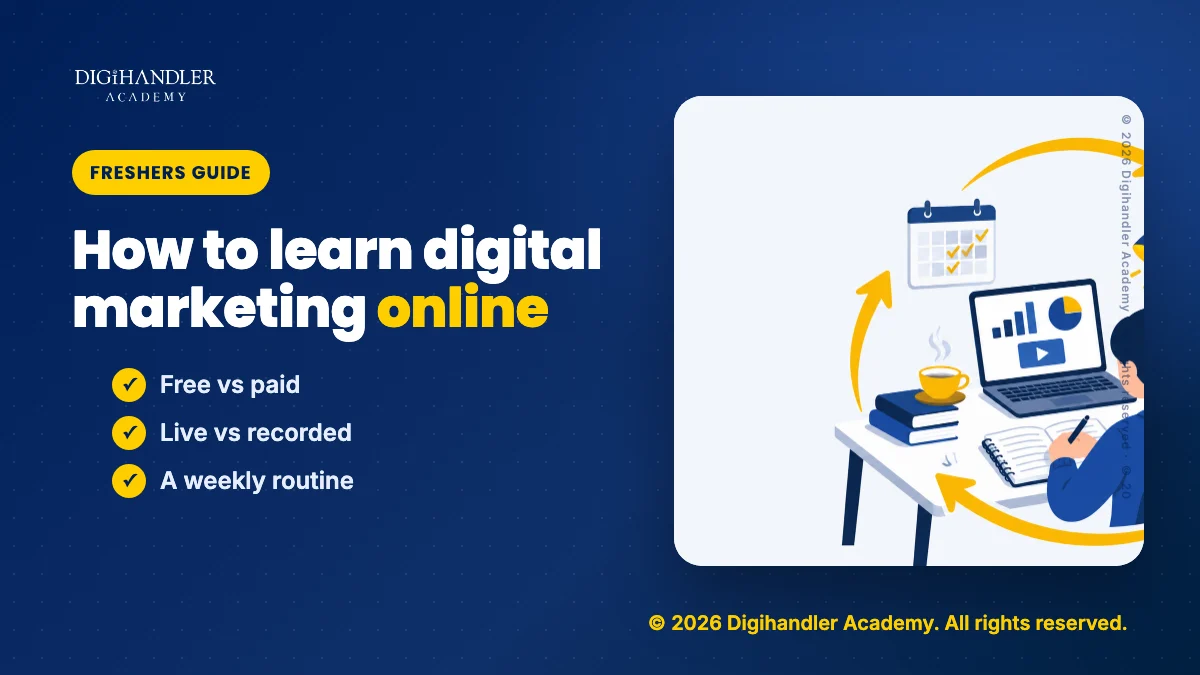
Yes, you can learn digital marketing online from a small town in India, with a laptop and a few hours a week. The hard part is not finding lessons. It is choosing the right ones, practising on something real, and not giving up in week three. This guide shows how to learn digital marketing online properly, step by step.
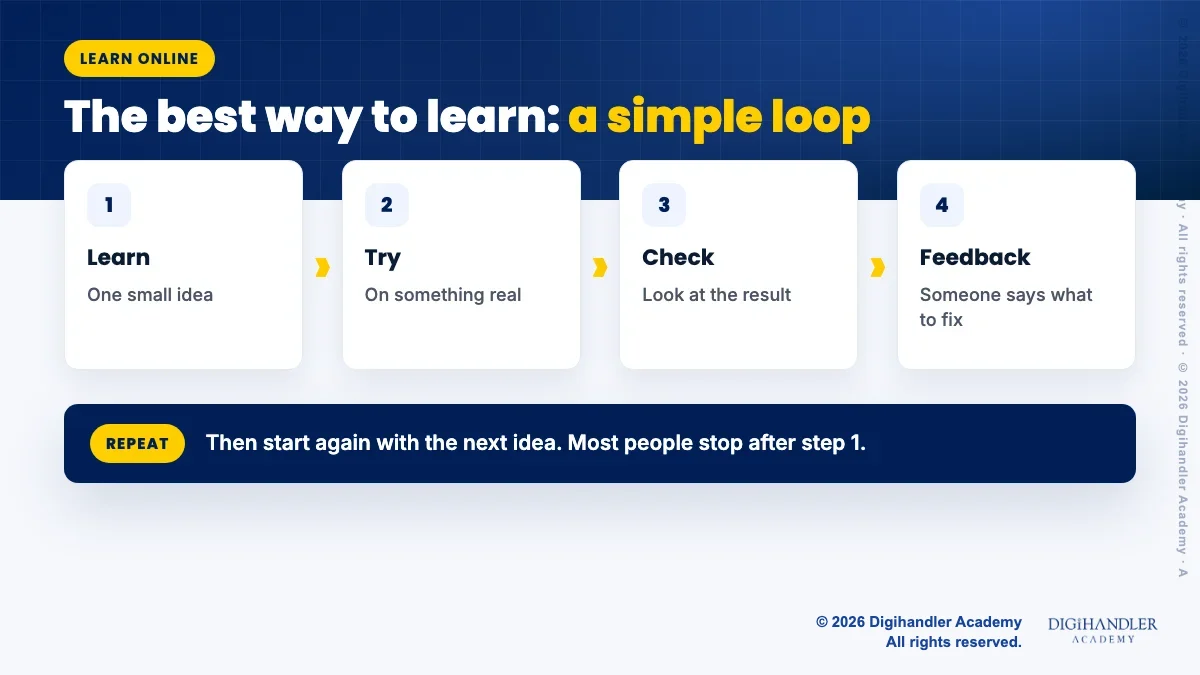
Think of learning to swim. You can watch a hundred videos, but you only learn in the water, with someone telling you what you did wrong. Digital marketing works the same way.
The best way to learn digital marketing is a simple loop. Learn one small idea. Try it on something real. Look at the result. Get feedback. Then repeat with the next idea.
Most people stop after the first step. They watch lessons for months and never run a single post, ad or web page. That is why they feel stuck in interviews.
If you want the bigger picture first (roles, skills and a six month plan), read our step-by-step guide to a digital marketing career for freshers. This post focuses on the learning part.
You can learn a lot for ₹0 if you start with the official sources. They are made by the platforms themselves, so the information is correct and updated.
Free lessons teach you what the buttons do. They will not check your work, and nobody notices if you stop. Use them as your textbook, not your teacher. To turn them into certificates, see the free certifications that genuinely help freshers.
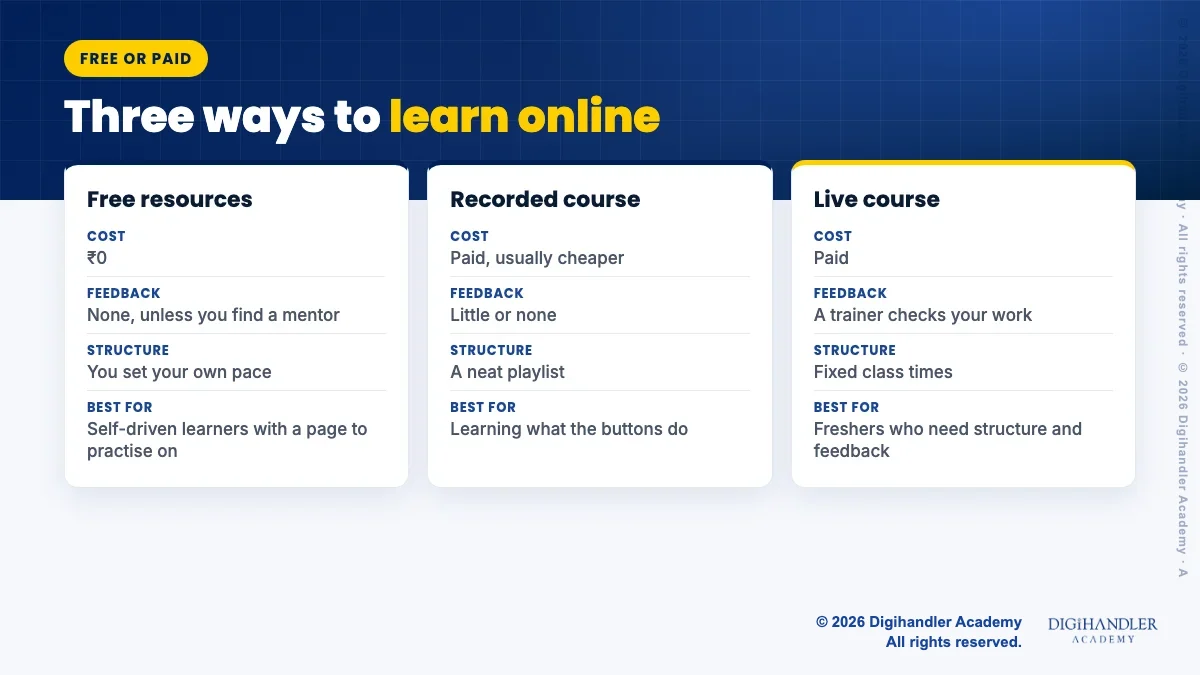
There are really three choices: free lessons you string together yourself, a paid recorded course, and a paid live course with a trainer.
A recorded course is a neat playlist. It is flexible and usually cheaper, but nobody reviews your work. A live course has fixed class times, real-time questions and a trainer who checks what you build.
Free routes suit people who are self-driven, already have a small business or page to practise on, and are happy to find feedback on their own. A live course suits people who need structure, a deadline and someone to say "this audience is too narrow".
We compare the formats in detail in online vs offline digital marketing course. If you are deciding between a short workshop and a long programme, read masterclass or full course.
Some course ads promise a lot. These signs tell you to slow down and ask more questions before you pay anything.
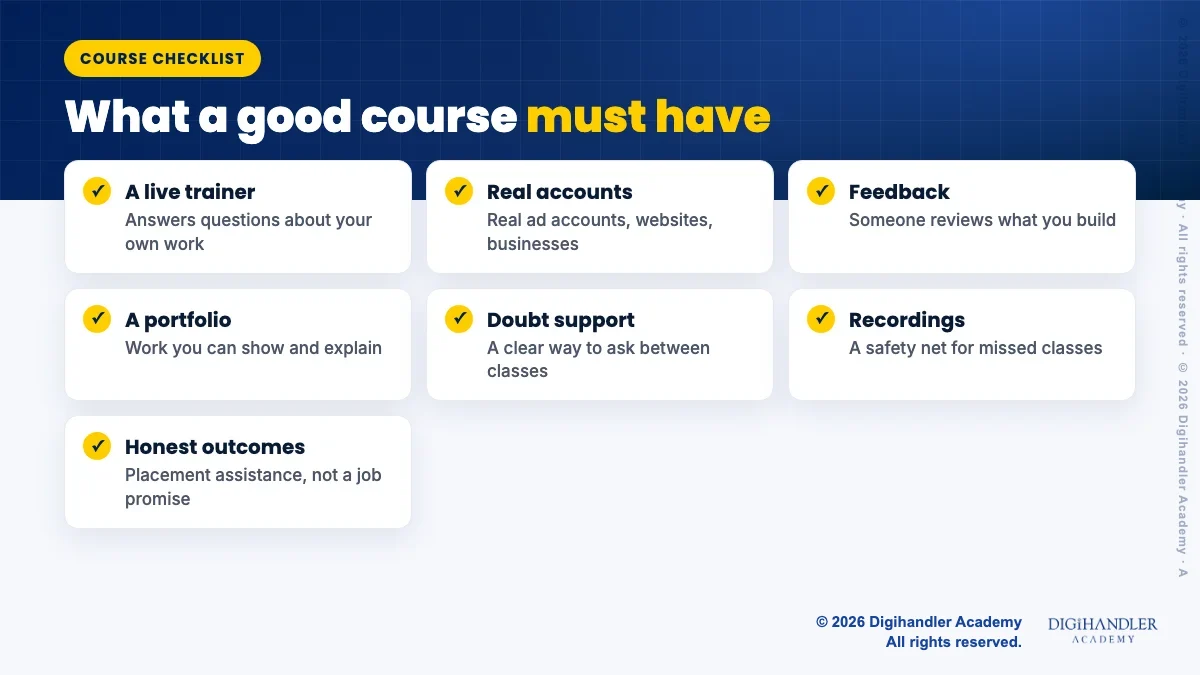
If you decide to pay, judge every course by the same checklist. Ask these on the phone and listen for a specific answer, not a vague one.
It is fair to apply the same checklist to us. Here is what our own course pages say about the live online batch, and where you should still ask questions.
Who it suits: freshers and career switchers who want a fixed timetable, a trainer checking their work and live client projects for a portfolio, over six months and 44 modules. Who may do fine without it: self-driven learners who already have a business or page to practise on and someone to give them feedback. The free resources above can take you a long way. If you want to see the format before deciding, the course page explains it, and there are 3 days of free demo classes online.
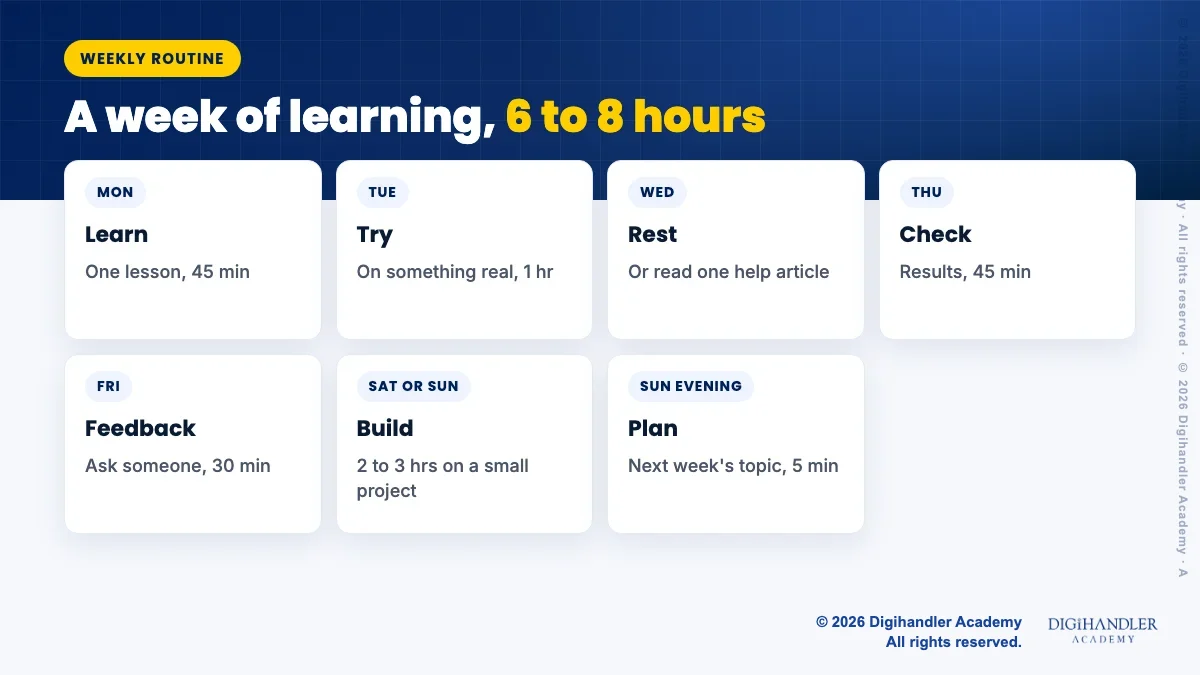
Consistency beats long weekend marathons. Six to eight hours a week, spread out, is enough to make steady progress. Here is a routine that fits around college or a job.
Plan for months, not weeks. With six to eight hours a week, the basics of one channel (say Instagram for a local business) can feel comfortable in a few weeks. Being job-ready across several channels, with a portfolio, takes much longer.
Start with one channel, finish one real project, then add the next. A student who ran a small campaign for a Rohtak coaching centre will usually interview better than one with ten certificates and no work.
If you are still in college or just finished 12th, our guide on digital marketing after 12th shows how to fit this alongside your degree.
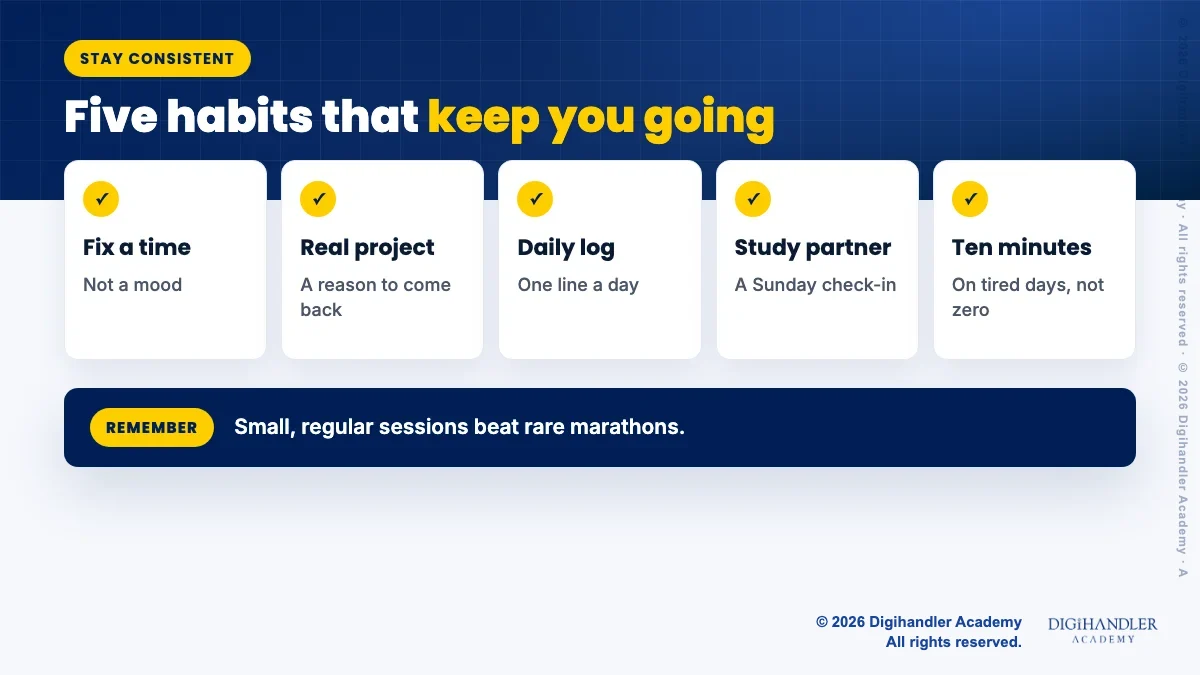
Most online learners do not fail because the topic is hard. They fail because life gets busy and nobody notices they stopped.
Riya writes Digihandler Academy's guides and roadmaps. Every article is fact-checked and reviewed by Lovish Madaan, founder & trainer, who has run the Digihandler agency since 2018. More from Riya →
Yes, you can learn the basics of digital marketing online for free. Google Skillshop, Meta's free Blueprint courses, HubSpot Academy and Google's SEO Starter Guide are all free and come straight from the platforms. The Google Analytics demo account lets you practise on real-looking data. What free routes do not give you is feedback on your work or a deadline. If you go free, find a real project to practise on, such as a family shop or a friend's page, and someone who can review what you build.
For most beginners, a live course works better because a trainer teaches in real time, answers questions about your own work and checks what you build. A recorded course is cheaper and more flexible, and it is good for learning where settings are and what the buttons do. The weak point of recorded courses is that nobody reviews your work and nobody notices if you stop. If you are very self-driven and have a mentor, recorded can work. If you need structure, choose live.
Six to eight hours a week is a realistic amount for students and working people. Spread it out: about an hour on most weekdays and one longer block of two to three hours at the weekend. Short, regular sessions build skill faster than one long marathon a month, because you keep practising what you learned. Use the weekday sessions to learn and try one idea, and the weekend block to finish a small project you can add to your portfolio.
Check five things before you pay. Is there a free demo class? Do you know the trainer's name and whether they still run campaigns? Will you work on real ad accounts and websites, and from which month? Do they explain what placement assistance includes, instead of promising a guaranteed job? Do the reviews have names and details, or do they all sound the same? A course that dodges these questions or pushes you to pay today is a warning sign.
Many employers care more about what you can show than where you learned. A fresher who learned online can get interviews if they have a portfolio of real work, such as a campaign they ran, a page they grew or a website they improved, and can explain the results. No course can guarantee a job, because the hiring decision belongs to the employer. Focus on proof of work, a clear resume and practice explaining your projects in simple words.
Where AI genuinely saves marketers time on real client work, and where it quietly makes things worse.
Read article →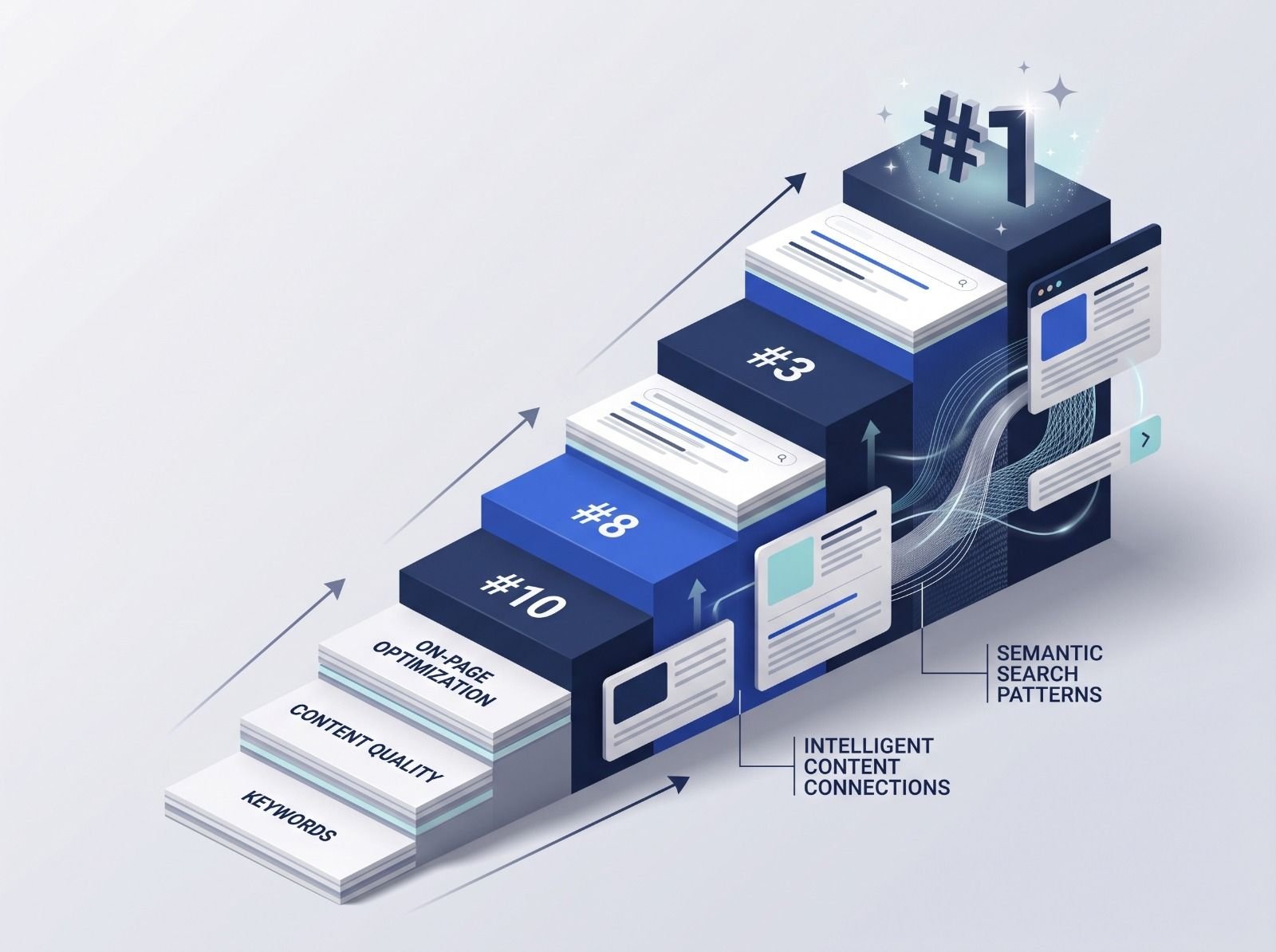
What decides whether an AI assistant quotes your page, and the fixes worth doing first.
Read article →