Online or offline digital marketing course: which is right for you?
The question is usually asked as online versus offline, but that hides the real split. A live online batch has more in common with a classroom than with a library of recorded videos. Here is how we would choose, and what to check whichever way you go.
There are three formats, not two
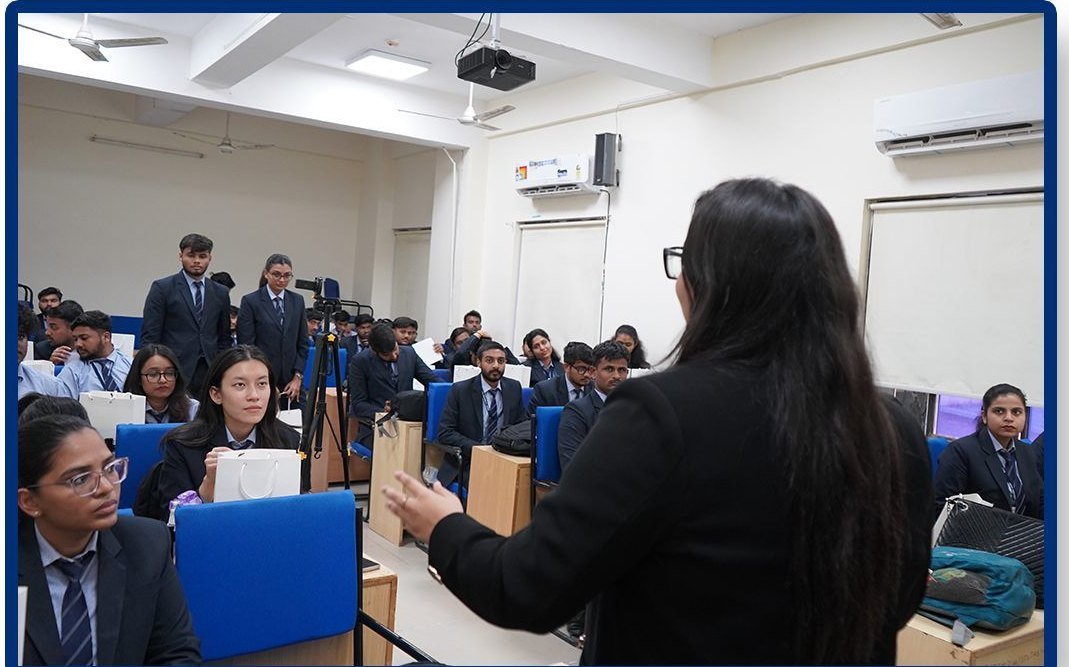
Recorded courses are a set of videos you watch at your own pace, usually with a certificate at the end. Live online courses are scheduled classes over video, with a trainer teaching in real time and students asking questions as they come up. Classroom courses are the same live teaching, in a room, with a trainer able to walk over and look at your screen.
Most comparisons lump the first two together as “online”, which is where people go wrong. The useful question is not where you sit. It is whether somebody is teaching you live and checking your work, or whether you are on your own with a playlist.
- Recorded — cheapest to produce, most flexible, and nobody notices if you stop at module three.
- Live online — fixed class times, real-time questions, work reviewed by a trainer, from anywhere with a stable connection.
- Classroom — the same live teaching plus a room, a routine, and a trainer who can see your screen without you sharing it.
What a recorded course does well, and where it stops
Recorded courses are genuinely good for one thing: learning what the buttons do. If you want to understand how Google Ads campaign types differ, or where a setting lives in Meta Business Suite, a well-made video does that job and you can pause it.
Where they stop is feedback. Digital marketing is learned by running something, getting a result you did not expect, and having someone tell you why. A video cannot look at your ad account and say the audience is too narrow, or open your website and point out the page that loads slowly. Completion is the other problem: without a class to turn up to, most people drift, and nothing in the format pulls them back.
Who each format suits
College students usually do well in a classroom if they live close enough, because the routine does a lot of the work. If the campus is too far, a live online weekday batch gives the same structure without the travel.
Working professionals switching careers mostly end up in live online weekend batches. Weekday evenings get eaten by the job, and recordings of every class mean one missed Saturday does not put you behind.
People outside Rohtak, whether elsewhere in Haryana or anywhere else in India, are choosing between relocating and studying online. A live batch removes that choice. Business owners who want to run their own marketing tend to want flexibility first, which points to live online, with campus visits when a topic needs hands-on time.
Six things to check before you join any course
Whatever the format, these are the questions we would ask any institute, including us. Ask them on the phone and listen for a specific answer rather than a reassuring one.
If an institute cannot answer one of these clearly, that is information too. It does not always mean the course is bad, but it does mean you should sit a demo class before paying for anything.
- Are classes live? — ask what share of the course is taught live and what share is pre-recorded. “Online” on its own tells you nothing.
- Are there live projects? — ask whether you will work on real ad accounts and real websites, and from which month. Practice on a dummy account is not the same thing.
- Are classes recorded? — recordings are not a substitute for live teaching, but they are the safety net for the week you fall ill or work late.
- Can you reach the trainer? — ask who teaches, whether they still run campaigns, and how you ask a question between classes.
- What does placement assistance include? — internship, portfolio, resume, mock interviews, referrals. Anyone promising a guaranteed job is promising something they do not control.
- What is the certificate? — an institute certificate is useful, but a portfolio of work that ran for real clients is what an interviewer actually looks at.
How we run both at Digihandler
We teach the same AI-Powered Digital Marketing Course in both formats: six months, five of practical learning and one of professional training, across 44 modules in six tracks. Online students join live batches with the same trainers as the Rohtak classroom, including our founder Lovish Madaan, and they work on live client projects the same way classroom students do.
Every class is recorded in the student app, along with notes, tests, attendance and certificates, so a missed session can be caught up. Online students are also welcome at weekend sessions on the campus at 1st Floor, 252 Subhash Nagar, Rohtak, whenever they want time in the room. That hybrid is deliberate: some topics, like building a website from scratch, go faster with a trainer sitting next to you.
The honest trade-offs of studying online
Live online is not a free upgrade on the classroom. You need a laptop, a stable internet connection, and a quiet place to sit for the length of a class. Camera-off attendance is easy, and the students who get least out of an online batch are usually the ones who treat it like a recording that happens to be live.
The classroom has its own costs: travel time, fixed timings, and the fact that it only works if you live within reach. Neither format makes up for not practising between classes. The skill is built in the hours you spend on real accounts, not in the hours you spend listening.
How to decide in a week rather than a month
Sit the free demo classes in the format you are leaning towards. We run three days of free demo classes, online or at the campus, and that is long enough to find out whether you can keep up with a live online class from home or whether you need the room.
If you are near Rohtak and unsure, try one demo day in each format. The difference usually shows up by the second class.
Where we teach this
Common questions
A live online course can be as effective as a classroom course when it has the same trainers, the same live projects and real-time questions. A recorded course usually is not, because nobody reviews your work and completion depends entirely on self-discipline. The deciding factor is not location but whether a trainer teaches live and checks what you build. Students who practise between classes on real accounts tend to progress the same way in either format.
Most working professionals do best in a live online weekend batch. Weekday evenings are often taken by the job, and a weekend schedule leaves time to practise between classes. Recordings of every class matter here, because a work trip or a late shift will eventually clash with a session. At Digihandler Academy, online students can also attend weekend sessions at the Rohtak campus when a topic benefits from sitting with a trainer in person.
At Digihandler Academy, yes. Online students get the same placement assistance as classroom students: internship experience on live projects, portfolio building, resume and LinkedIn optimisation, mock interviews and referrals. That is assistance, not a guarantee. No institute controls an employer’s hiring decision, so be wary of any course, online or offline, that promises a guaranteed job. What you can control is leaving with work that ran for real clients and that you can explain in an interview.
A laptop, a stable internet connection and a few hours a week for practice between classes. A phone alone is not enough for website building, ad account setup or reporting, which all need a proper screen. No marketing background is required, because a good course starts from fundamentals. Before committing, sit a free demo class from the place you will actually study, to check that your connection and setup hold up for a full live session.
More from the blog
AI SEO: how to get cited inside AI search results
Search is shifting from ten blue links to generated answers. What decides whether an AI assistant quotes your page, and the fixes worth doing first.
The power of a local business listing: the setup checklist we teach
For a shop in Rohtak, a properly set up Google Business Profile out-earns most paid campaigns. The exact checklist, in the order that matters.