
What a week of daily masterclasses can teach you (and what it can’t)
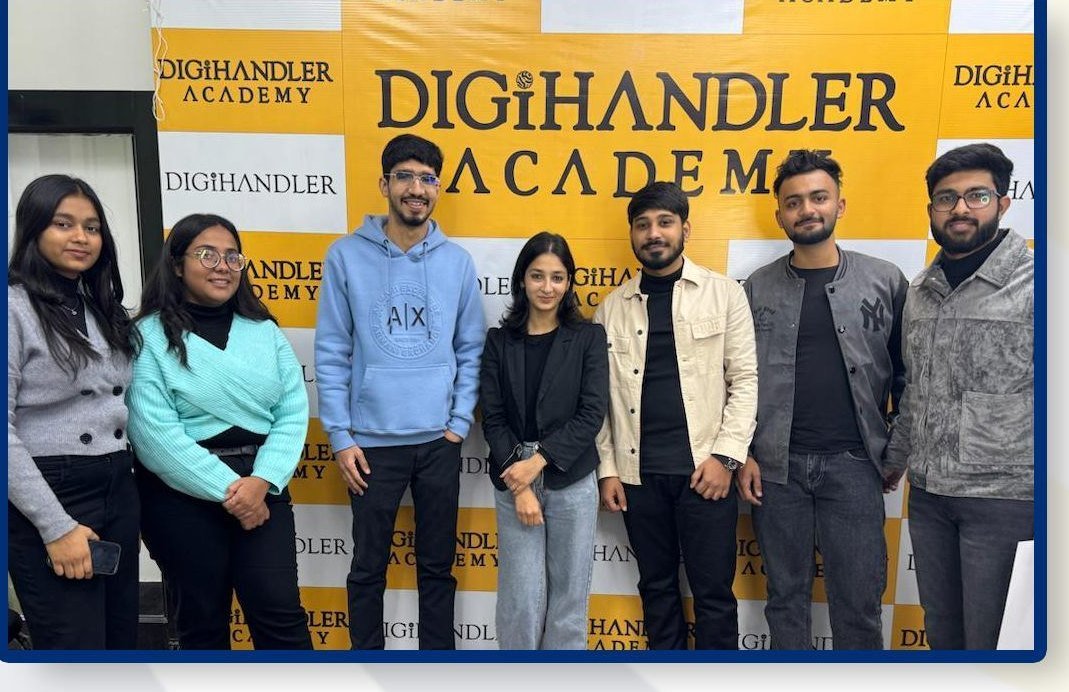
In February we ran “7 Days, 7 Masterclasses”, one focused session a day from 8 to 14 February. Each day built one practical thing. Here is what those sessions covered, why the daily format works for momentum, and the honest limits of what a week can teach.
Why one skill a day
Most people who want to learn digital marketing do not lack information. They lack a reason to sit down and do something today. A week of daily masterclasses solves that by giving every evening a single, small target: by the end of the session, you will have built this.
The short format also keeps each skill separate. You are not trying to absorb automation, design and SEO in one long day. You learn one, sleep on it, and come back the next day with questions. That rhythm is the main reason a week of sessions often achieves more than one long workshop of the same total length.
Days 1 to 3: automation, design and websites
The first half of the week covered the building blocks: a tool that works for you while you sleep, visuals for your posts, and somewhere for people to land when they find you.
- Day 1, n8n automation — building an AI chatbot with n8n using the Gemini API, connected to Telegram and Google Sheets, with an automatic welcome message for new users.
- Day 2, graphic design — designing in Canva, generating images with Ideogram and Nano Banana, and using Google Trends to decide what is worth designing in the first place.
- Day 3, website and SEO — setting up a WordPress site, laying out pages with Elementor, and the basic SEO steps that help a new page get found.
Days 4 to 6: AI, social media and finding clients
The second half moved from building things to using them: producing content faster, putting it in front of people, and turning the skills into paid work.
Day 6 is the one people tend to underestimate. Knowing how to do something and knowing how to offer it to a client are different skills, and the second is rarely taught.
- Day 4, AI — prompting ChatGPT, Claude and Gemini for real marketing tasks, and creating short AI video with Veo.
- Day 5, social media — auditing a profile, planning content on an 80/20 basis between useful and promotional posts, and scheduling through Meta Business Suite.
- Day 6, client pitching — finding work on Fiverr and LinkedIn, writing a pitch that answers what the client actually asked, and pricing your skills sensibly.
Day 7: review and certificate
The last day was not a new topic. It was a full review of the week: going back over each day’s build, fixing what had broken, and filling the gaps people found when they tried things on their own between sessions.
Participants who completed the week received a Digihandler Academy graduation certificate. We are clear about what that certificate means: it records that you took part and built the week’s projects. It is not a substitute for a portfolio, and an employer or client will still want to see the work itself.
What a week cannot teach
A week of masterclasses gives you a working first version of six skills. It does not give you depth in any of them, and it is worth being plain about where it runs out.
These are the reasons our full programme is a 6-month course with 44 modules and live client projects. The masterclass week is a fast, useful introduction. The course is where the skills become reliable.
- Paid advertising — running Google and Meta ads with real budgets, reading the results and adjusting, takes weeks of live campaigns.
- SEO over time — basic on-page steps fit into a day, but ranking is a months-long process of content, links and technical fixes.
- Real clients — a pitch exercise is not the same as handling a client’s feedback, deadlines and changing brief.
- Judgement — knowing which tool or channel to use for a given business only comes from doing it many times.
How to keep practising after the week
The risk with any short programme is that the energy fades as soon as the daily sessions stop. The way round it is to keep a small version of the same rhythm going on your own.
- Keep the chatbot running — extend the Day 1 automation with one new step each week, such as a second reply or a new sheet column.
- Post on a schedule — use the Day 5 content plan for a month on one profile and look at what actually got a response.
- Finish the website — add one real page a week to the Day 3 site and apply the basic SEO steps each time.
- Send real pitches — write and send a few proposals using the Day 6 approach, then revise them based on what you hear back.
Where we teach this
Common questions
It is a short programme of focused sessions, one skill per day, over a week. Digihandler Academy ran one called “7 Days, 7 Masterclasses” from 8 to 14 February, covering n8n automation, graphic design, website and SEO, AI tools, social media, client pitching, and a final review day with a graduation certificate. Each session aimed to leave participants with one thing they had built themselves. It is an introduction to several skills, not a replacement for a full course.
You can learn the basics of several digital marketing skills in seven days and build a first version of each, such as a simple chatbot, a few designs and a starter website. You cannot become job-ready in a week. Paid ads, SEO results and client work all need weeks or months of practice with real accounts and real feedback. A week of masterclasses is best used to find out which skills interest you before committing to deeper training.
No prior experience is needed. Each session in Digihandler Academy’s masterclass week started from the basics and moved straight into building something, with a trainer helping when people got stuck. A laptop is strongly recommended, because website building, automation and design are hard to do properly on a phone. What helps most is setting aside time between sessions to repeat what you learned, since that is where most of the real progress happens.
Keep using what you built. Extend the automation, post on a schedule, add pages to your website and send real pitches. If you find one or two skills you want to take further, a full course is the next step. Digihandler Academy offers a 6-month programme with 44 modules and live client projects, and a 3-day free demo so you can see how the classes run before deciding. Look at our masterclasses page to hear when the next session opens.
More from the blog
AI SEO: how to get cited inside AI search results
Search is shifting from ten blue links to generated answers. What decides whether an AI assistant quotes your page, and the fixes worth doing first.
The power of a local business listing: the setup checklist we teach
For a shop in Rohtak, a properly set up Google Business Profile out-earns most paid campaigns. The exact checklist, in the order that matters.